For decades, purchasing a Florida
condo was a leap of faith masked by palm trees and ocean views. But in the
new year, the veil of secrecy has lifted.
Between a new mandatory digital transparency law and a landmark court ruling
that handed a so-called "poison pill" to developers, the power dynamic in
the Sunshine State has shifted dramatically.
|
|
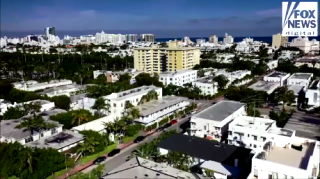
FLORIDA'S AGING
WATERFRONT CONDOS BECOME GOLD MINES AS OWNERS CASH IN ON
DEVELOPER BUYOUTS
The first major shift of 2026 includes provisions that took
effect under House Bill 913, which requires associations
with 25 units or more to have a dedicated, secure digital
portal where prospective buyers can see a condo's bank
statements, reserve details and even structural reports of a
building.
"The click of the button, you can go
in there, you can look at all these documents – including the budget –
before you make that offer," Blake said. "We're huge proponents of it. It
brings transparency and accountability, and we continue to promote that."
"It's making the condo market more predictable. So condos that have delayed
reserves or delayed issues with their building are seeing a lot more ongoing
negotiations," Julian noted, "where buildings that have thought ahead and
have fully funded reserves, they have a competitive edge in the market."
In Miami-Dade, 65% of active inventory consists of older condo buildings,
and sales in the $200,000 to $400,000 range are up 21% year over year
despite rising insurance costs and assessments, according to REALTORS data.
The experts weighed in on whether buyers are being brave or just eager for a
slice of paradise.
"I would like to say it's all because of our advocacy work. I mean,
transparency is really important, but I think it has to do more with market
conditions. And in South Florida, it's a very hot market. Everybody wants to
move here. The weather is absolutely beautiful. People want to take
advantage of that. And so this is really the last affordable inventory that
we have, and they are moving in," Blake explained.
"I am getting a lot of buyers that are eager to get down here in South
Florida, but they're very well-informed. They're usually coming to me
already doing their due diligence," Julian added. "They might already have
the buildings that they've pinpointed. They've researched the other ones,
found out which ones seem a little weak on those reserve studies."
The second major shift in Florida’s condo market is the recent Biscayne 21
court ruling, which set a legal precedent effectively granting minority
holdouts, as few as 5% to 10% of owners, the power to block major
redevelopments if the original declaration requires unanimous consent.
Julian called the decision a "poison pill" for developers who were eyeing
older, waterfront Miami buildings as prime targets for ultra-luxury
conversions.
"The poison pill, which is [a] 100% buyout, it makes things very difficult.
So they haven't been pursuing those as much," she said. "It's too much
unknown to try to do that, to change the condo bylaws, and try to take a
building down that way. So I think it's gonna change going forward as
developers are going to look at buildings a lot more with scrutiny and
patience."
Julian dealt with buyout wars personally in late 2025 at Harbor Towers &
Marina in West Palm Beach when two developers sued multiple owners caught in
the crosshairs of a battle for control of the building.
"There are a handful of buildings out there that still have language in
their condo bylaws that say 75 to 80% can terminate a building… So
developers are most likely going to do their due diligence and they're going
to be looking towards those buildings first," Julian said.
"I think this case really highlights the importance of reading the
government docs," Blake noted. "It's really important for developers to
check that and know what you're getting into before you incorporate that
into your plan."
With her advocacy role in mind, Blake also offered advice on what fixes
realtors may push for to ensure that one or two residents can't prevent an
entire community from escaping the financial burden of an older building:
"Talk to local government, talk to the state. Everybody needs to be informed
so they can come up with the right solution. And we would support that."
And while both experts agree that the two major changes in Florida’s condo
market put an important emphasis on clarity and communication, Julian did
share one warning about the future of the market environment.
"Greed is kind of taking place a little bit. So [buyers] are holding back
until they get many more millions of dollars [from developer offers]. But
what they don't realize, that I see behind the scenes, is these developers
are scooping up other buildings that are more affordable to them, that make
more sense in pencil. And eventually we're gonna be oversaturated," she
said.
"So if they are waiting, thinking that they're going to get the ultimate
payout, they might want to rethink that."