Miami artist Tiffany Madera never expected to face a
special assessment totaling tens of thousands of dollars. But like many
Florida condominium owners, she found herself scrambling after her
association levied fees to pay for building repairs and replenish reserve
funds.
|
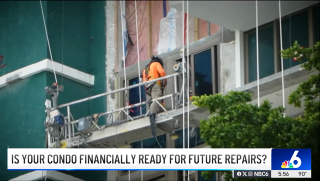
Florida’s stricter condo rules are designed to make buildings safer. But for many owners, they could also mean another costly special assessment. Consumer investigator Sasha Jones shows you how to find out if your condo association is putting away enough money for future repairs. |
For condominium owners wondering whether their
association is financially prepared, Norlund recommends reviewing several
key documents.
First, examine the association's annual budget and determine how much is
allocated to reserve funding. Ideally, he said, reserve contributions should
account for 15% to 45% of the total budget, depending on the property's
needs.
Next, review the association's most recent professional reserve study, which
estimates the remaining life of major building components and outlines
future repair and replacement costs.
Finally, read minutes from recent board meetings to identify planned
repairs, maintenance concerns, and financial discussions that could affect
future assessments.
"If you are deferring paying the cost of deterioration, it doesn't go away,"
Norlund said.
For Madera, the increased costs are outweighed by the importance of building
safety.
"We want the ultimate safety for our building," she said.
To help pay for her assessment, Madera received approval through Miami-Dade
County's Special Assessment Loan Program. The program provides eligible
condominium owners with loans of up to $50,000 at 0% interest for as long as
40 years to help cover the cost of required building repairs.
"This program gave me an opportunity to feel safe in my home," Madera said.
Under Florida law, condominium buildings that are three stories or taller
must undergo a Structural Integrity Reserve Study at least once every 10
years. However, Norlund said many associations should consider updating
reserve studies more frequently, potentially every three years, depending on
the condition of the property, maintenance needs and changes in construction
costs or budgeting.